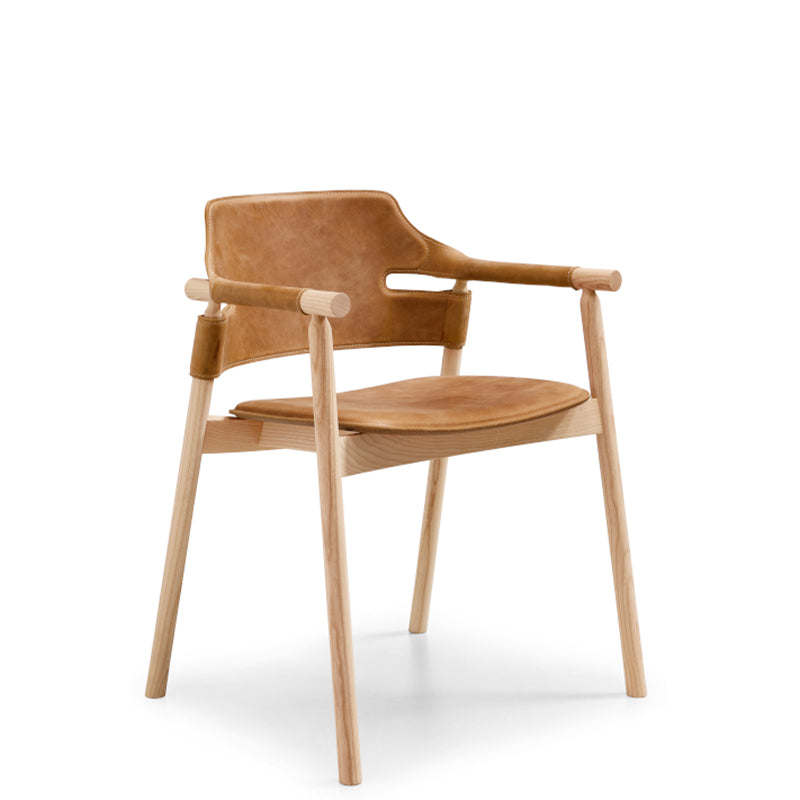

Solid Wood vs Veneer: Which One Should I Choose?
There’s a quiet moment that happens when you’re choosing furniture, usually after the shape and finish have already won you over. You start asking different questions. Not about style anymore, but about substance. What is this piece actually made of? How will it age? And will it still feel right years from now?
Solid wood and veneer tend to surface at exactly that point. One carries a sense of tradition and weight. The other, a reputation for being more controlled, more composed. Both are used extensively in well-designed interiors, and both can feel entirely right, or subtly wrong, depending on where and how they’re used.
This isn’t a conversation about better or worse. It’s about understanding how these materials behave once they’re part of your home, how they respond to real life, and how choosing the right one can make a piece feel effortless, instead of something you’re constantly managing.
What’s the difference between solid wood and wood veneer in modernist furniture?
At a glance, solid wood and veneer can look nearly identical. The difference becomes meaningful once you understand how each is constructed and what that construction allows the piece to do over time.
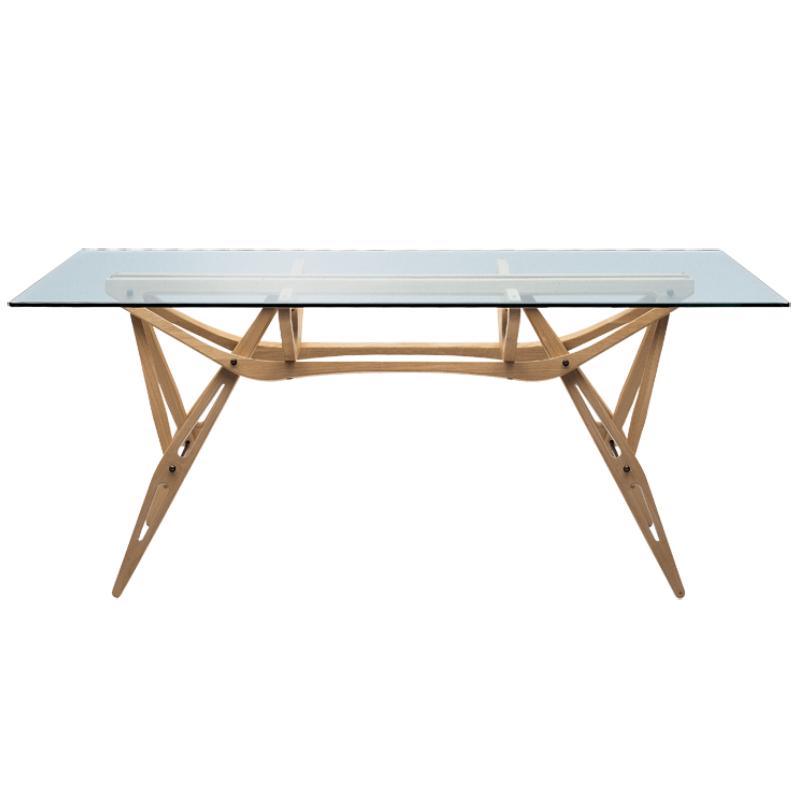
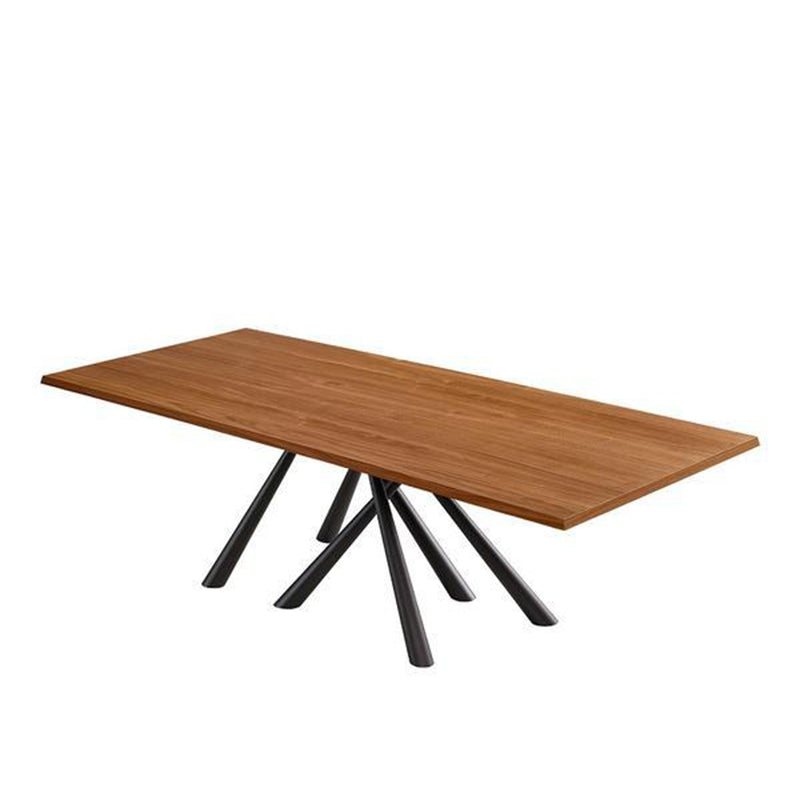
Solid wood furniture is made entirely from lumber cut from a single species. The grain runs continuously through the material, which gives it depth, weight, and natural variation.
What that means in practice:
-
The surface you see is the same material all the way through
-
Knots, tonal shifts, and grain irregularities are natural and expected
-
The piece develops a visible character as it ages
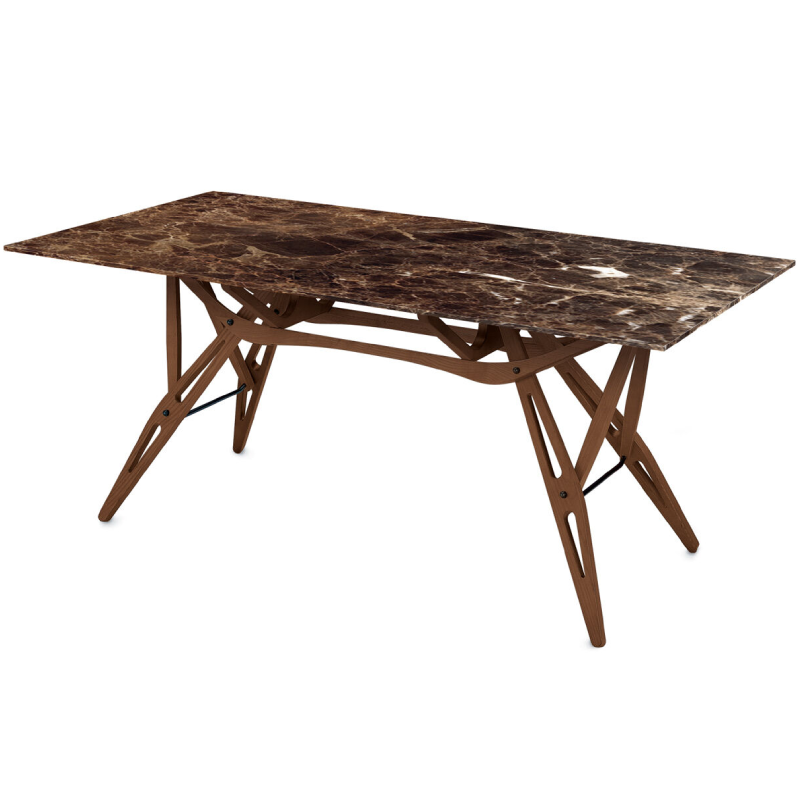
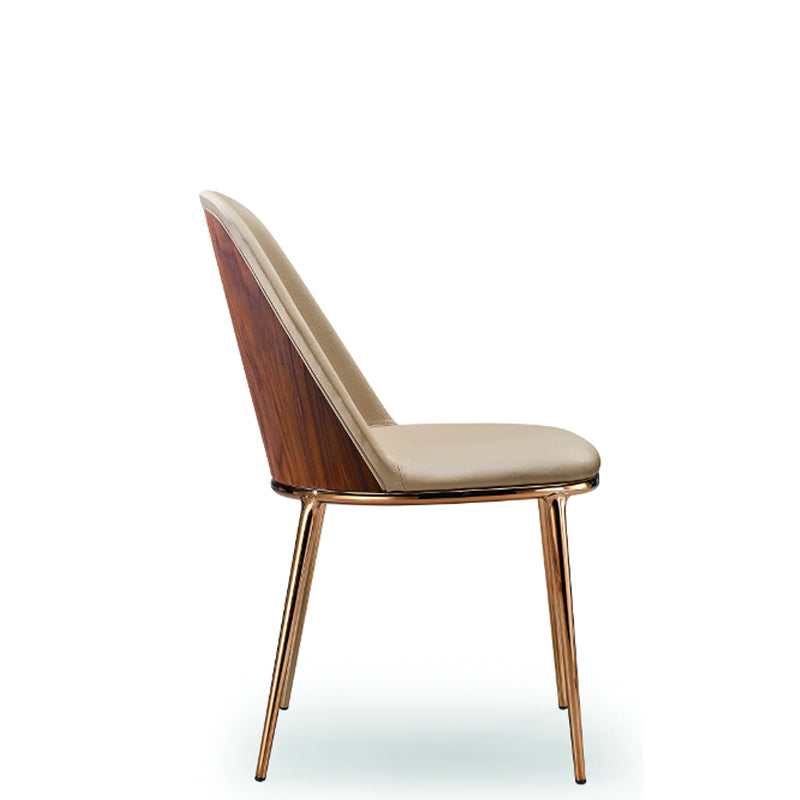
Wood veneer, by contrast, uses thin slices of real wood applied over a stable core, typically plywood. This method allows designers to work with wood more strategically, especially on larger surfaces.
According to Architectural Digest,
“Wood veneers are a traditional and structurally significant aspect of furniture-making that still come into play in contemporary design”
How veneer behaves differently:
-
The surface is real wood, but the core provides stability
-
Wider tabletops and cleaner proportions are easier to achieve
-
The grain can be more controlled and visually consistent
Neither material is more authentic than the other. They simply reflect different priorities. Solid wood leans into the nature of the material itself. Veneer shapes that nature to better suit modern interiors and the way modernist furniture is used today.

Which is more durable for daily use (kids, pets, heavy meals)?
Furniture rarely stays pristine for long, especially in spaces that are truly lived in.
Solid wood is resilient, but it shows wear early. Chairs scraping in and out, kids leaning on edges, pets brushing past corners of a wooden table, these moments leave visible marks. Over time, the surface softens and tells a story. Some people love that. Others don’t realize how quickly it happens.
Veneer tends to stay visually calm for longer. The engineered core helps keep surfaces flat and reduces stress on the finish. In homes with kids, pets, or frequent meals, veneer often proves easier to live with day to day. Speaking from experience here, consistency can make a noticeable difference.
Can you refinish it later, and how many times?
This is one of the clearest practical differences between the two.
Solid wood offers long-term flexibility.
-
Most solid wood surfaces can be refinished
-
Typically two to five times, depending on thickness
-
Ideal if you plan to keep a piece for decades
Refinishing can reset the surface, remove wear, and extend the life of the piece significantly.
Veneer is more limited.
-
Light refinishing may be possible once
-
Aggressive sanding risks cutting through the veneer
-
Not designed for repeated surface resets
Veneer works best when you want consistency rather than evolution.
How does humidity affect solid wood vs veneer?
Wood responds to its environment, whether we notice it or not.
Solid wood expands and contracts with changes in humidity. In homes with seasonal shifts, this can show up as subtle gaps, slight cupping, or doors that need adjusting. It’s natural behavior, but it does require patience.
Veneer construction minimizes that movement. The stable core keeps surfaces aligned, which is why veneer is often used for larger furniture pieces like a mid century credenza, shelving, and wide tabletops. In humid or four-season climates, that stability becomes a quiet advantage.
Which one is a better value for the price?
This is where the decision often gets oversimplified. Value isn’t just about what you pay upfront. It’s about how a piece fits into your day-to-day life once it’s actually being used.
Solid wood tends to feel like the long game. It usually costs more at the start, but it gives you options later. You can refinish it. You can repair it. And if you’re planning to keep a piece for decades, that flexibility can make sense.
Veneer offers a different kind of value. It asks less of you over time. The surfaces stay flatter, finishes tend to hold up better under constant use, and the piece often looks the same years in as it did when it arrived. For many homes, that ease is what ends up mattering most.
If we’re being honest, the best value usually shows up in the pieces you don’t have to think about. The ones that quietly do their job, hold their shape, and don’t demand much attention. And which material delivers that depends entirely on how you live with it.

Will solid wood or veneer show nicer grain?
This usually comes down to the kind of presence you want the piece to have in the room.
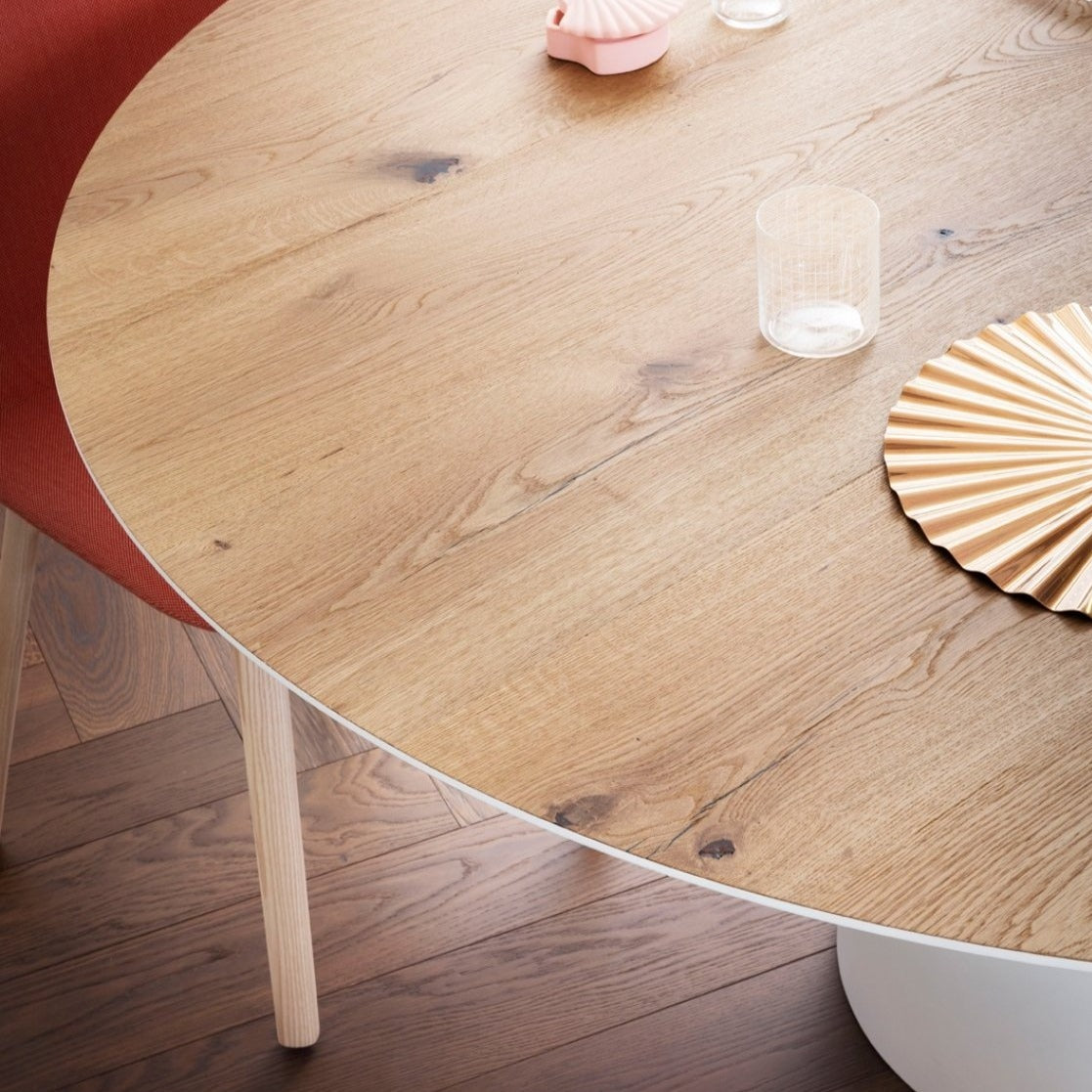
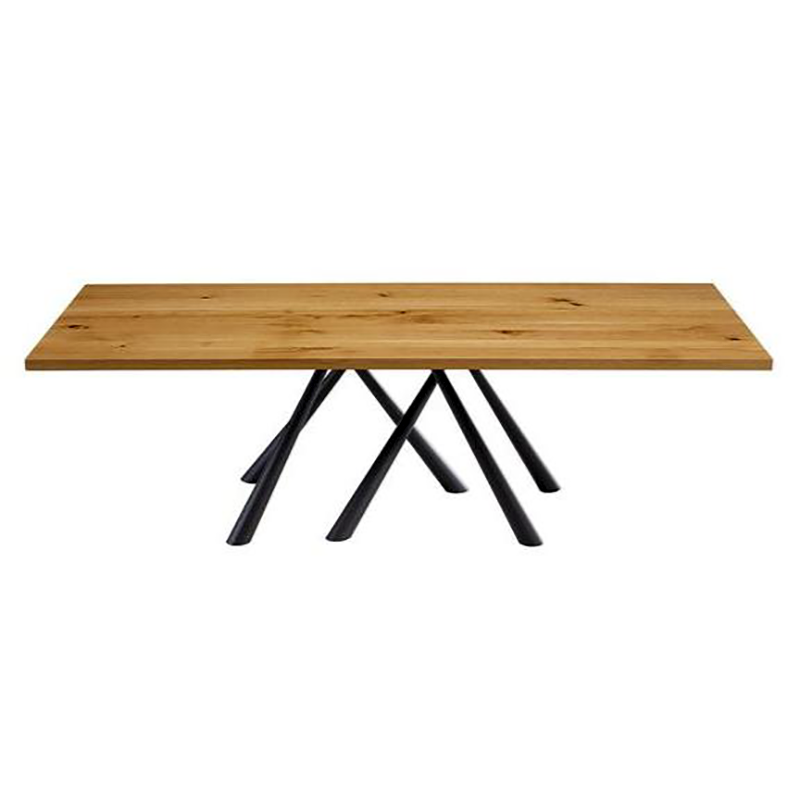
Solid wood tends to feel more expressive. The grain shifts from plank to plank, with knots, mineral streaks, and subtle changes in tone that make each surface feel slightly different. It’s not uniform, and that’s the point. Over time, those variations become part of the piece’s character.
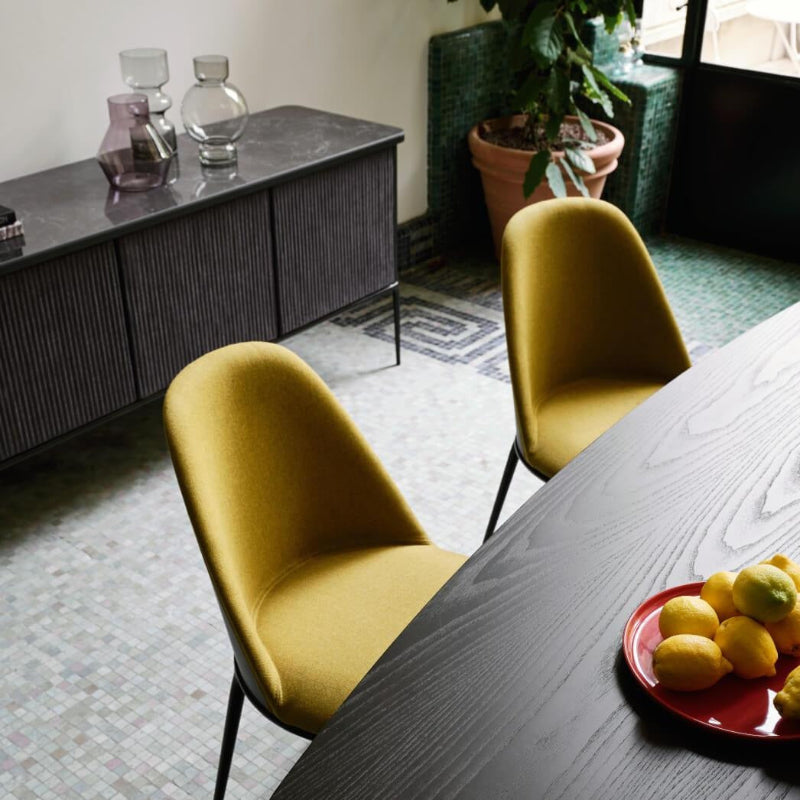
Veneer reads a little differently. Since the grain is selected and applied intentionally, it can be more consistent across the surface. Bookmatched patterns and continuous grain make larger pieces feel calmer and more composed, especially in modern interiors where proportion and balance matter.
Neither option is about being better. They simply speak in different ways. Solid wood feels more organic and individual. Veneer feels more controlled and architectural. The right choice depends on whether you want the material to stand out or quietly support the overall design of the space.
Is veneer “fake” wood?
Veneer isn’t fake wood. It’s real wood, simply used in a more controlled way. Not laminate, not printed, not synthetic.
What veneer does well is balance. By applying thin slices of real wood over a stable core, furniture makers can create larger surfaces that stay flatter and more consistent over time. That’s especially important in modern pieces, such as a modern bookcase, where clean lines and proportion matter.
This is why veneer shows up so often in high-end furniture. It allows the beauty of natural grain to come through, without requiring the material to fight humidity, scale, or daily wear and tear. Once you understand that role, the veneer stops feeling like a downgrade and starts to feel like a deliberate design choice.
What are the most common mistakes buyers make?
Most issues come down to expectations.
Common missteps we see:
-
Assuming solid wood is always the premium choice
-
Dismissing veneer without understanding it
-
Ignoring climate, scale, and daily use
Furniture performs best when the material matches how the piece will actually live in your space.
Quick decision tool: which should I choose?
If you’re weighing solid wood versus veneer, step back and ask:
-
Will this piece be used heavily every day?
-
Do I want the option to refinish it years from now?
-
Am I comfortable with visible wear and natural movement?
If stability and low maintenance matter most, veneer often makes more sense.
If visible aging and long-term flexibility appeal to you, solid wood earns its place.
Neither choice is about compromise. It’s about choosing the material that fits the rhythm of your home and the way you actually live in it.
You Might Also Like
Extending the Lifespan of Your Dining Table
A closer look at how everyday habits, maintenance choices, and climate awareness can quietly add years to your table’s life.
The Ultimate Guide to Modern Chairs: Styles, Materials & How to Choose
An in-depth breakdown of contemporary chair silhouettes, materials, and how to select the right one for comfort, proportion, and design balance.
Genuine Luxury Furniture Brands
An exploration of what truly defines luxury in furniture, from craftsmanship and materials to the design houses setting the global standard.

Written by Isaac Grey
Isaac Grey is a digital marketing strategist and content creator who has spent the last several years researching and providing knowledge on furniture styles, design questions, consumer dilemmas, and design trends. He encourages people to consider the practical and functional implications of design, guiding them to make thoughtful, well-reasoned decisions that balance aesthetics with utility. His approach helps readers understand the why and how behind design choices and how to make spaces truly “work.”